
Plastic: Who Invented It and When?
What is plastic? Who invented the first plastic? Why and how did plastics become so popular? How do plastics harm the environment? What are the proposed solutions? Let's take a journey together through the history of plastics from past to present.
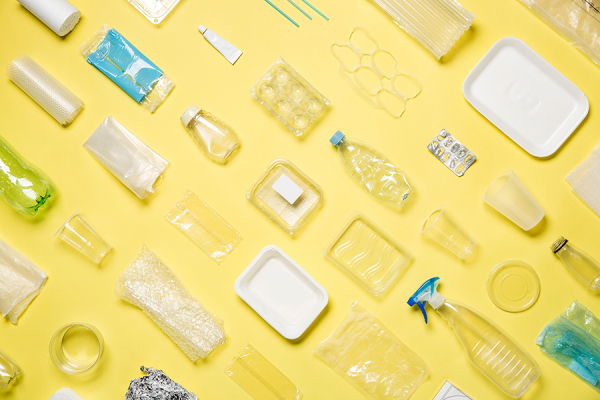
From water bottles to toothbrushes, shopping bags to storage containers, headphones to cell phones, televisions to computers, the clothes we wear to cars... Plastics are everywhere! So who invented plastic? Why are plastics so widely used, and how did they become so popular? How do plastics harm the environment? What are the proposed solutions? Now let's take a closer look at the story of plastic's invention and how it has impacted our daily lives.
What is Plastic?
Plastic is a type of polymer produced artificially, but in everyday life it is often used instead of the term polymer. Polymers are very long molecules formed by the bonding of numerous small molecular fragments (monomers). Their main skeleton is made up of carbon atoms. The raw materials used in plastic production are mostly obtained from crude oil, natural gas, and organic materials such as cellulose.
When Was Plastic Invented? Who Invented It?
Before the invention of plastic, natural rubber was mostly used as a moldable hard material. The vulcanization process (heating with sulfur) made rubber much more durable. However, the resulting material, called vulcanite, appeared black unless it was painted.
Ebonite material produced using the vulcanization method. Ebonite is used in the production of many materials, such as pots, pans, and pot handles.
British chemist Alexander Parkes sought ways to make vulcanite colored or transparent. In 1862, Parkes invented a hard but moldable plastic called Parkesine by mixing organic cellulose, a natural polymer, with various substances. However, because its cost was much higher than vulcanite, the desired sales figures could not be achieved, and Parkes' company went bankrupt in 1868.
In 1869, John Wesley Hyatt invented organic cellulose. kâfur He combined them and produced a material called celluloid. This material was first used in billiard balls. Thus, the lives of many elephants hunted for their tusks to be used in billiard ball production were also saved. Celluloid was later used in toys, knife handles, and photographic film. Due to its flammable nature and tendency to degrade quickly, it was eventually replaced by synthetic plastics
Synthetic First Plastic
The first plastic derived from synthetic polymers was produced in 1905 by Belgian chemist Leo Baekeland. Baekeland obtained Bakelite by using phenol, a disinfectant, and formaldehyde, which is used as a preservative in medicines and cosmetic products. Thanks to this discovery, plastic was produced entirely synthetically for the first time. Bakelite was inexpensive, practical, and durable. It also did not conduct electricity, making it a good insulator. Bakelite was used in the manufacture of many materials at the time, such as records, furniture, jewelry, and radio casings.
The Plastic Age
Following Baekeland's success, major chemical companies invested in the development of new polymers, and over time, different types of plastics began to be produced.
The Most Commonly Used Plastics Today
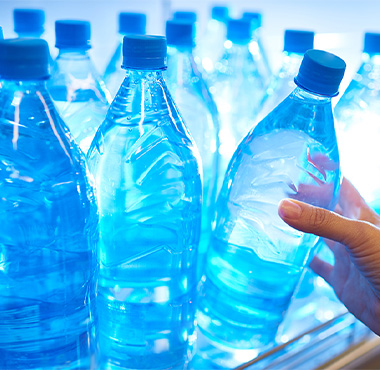
Today, the most commonly used plastics are polyethylene (PE), polypropylene (PP), polystyrene (PS), polyethylene terephthalate (PET), and polyvinyl chloride (PVC). Plastic bottles used for packaging water, milk, beverages, detergents, and other liquids are generally made from PE, PET, and PP.
Foam cups and plates, as well as foam materials used in packaging to protect electronic devices from impact, are made of polystyrene.
Causes of Plastic Pollution
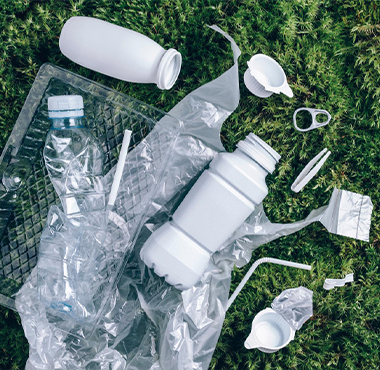
Plastic is used in the production of many materials and makes our lives easier because it is inexpensive, lightweight, durable, easy to process, and can be molded. On the other hand, since it does not decompose naturally in the environment within a short period of time, it causes environmental pollution and harms living creatures. You can find detailed information about how plastic pollution harms the environment and living creatures, especially in seas and oceans, in the video we published earlier.
How Can Plastic Pollution Be Prevented?
Today, various studies are being conducted to meet plastic demand using environmentally friendly methods and to reduce plastic pollution. Among these, the widespread use of biodegradable plastics and recycling efforts stand out.
What is Biodegradable Plastic? How is it Produced? Where is it Used?
Plastics that can be converted into products that do not harm the environment after use by microorganisms are called biodegradable plastics. Today, the vast majority of plastics known to be biodegradable are bioplastics produced from biomass sources such as corn, potato starch, and cellulose. The production of bioplastics, which reduce dependence on petroleum, releases less carbon dioxide than petroleum-based plastics. Bioplastics are used in many areas such as medicine and healthcare, electronics, automotive, cosmetics, sports, and the toy industry.
What is Plastic Recycling?
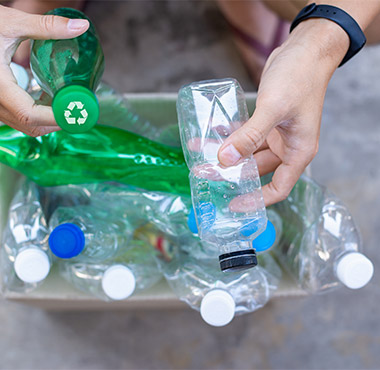
Plastic recycling can be defined as the collection of waste plastics and their transport to recycling facilities, where they undergo mechanical and chemical processes to be converted into reusable plastics. For detailed information on how plastic recycling is carried out, please refer to our previously published article. from the text you can reach. Although recycling is an environmentally friendly method, studies show that less than 10% of the plastic produced each year can be recycled. Both the fact that some plastics are not suitable for recycling and the insufficient collection of plastic waste make recycling difficult.
Researchers continue to work on more efficient ways to recycle plastics or render them harmless to the environment. We can also contribute to this process by choosing reusable materials over single-use plastics and disposing of plastic waste in recycling bins.
Dictionary:
Kâfur: A substance used in medicine that is easily broken down, white and semi-transparent, and has a pleasant smell.
Sources:
- https://bilimgenc.tubitak.gov.tr/plastigin-icadi
- Ellyard, D., Who Invented What and When, Çev.: U. Mutlu, TÜBİTAK Popüler Bilim Kitapları, 2017.
- Turner, T., Mills, A., Gifford, C., Tarih Yazan 100 İcat Dünyamızı Şekillendiren Parlak BuluşlarTranslated by F. C. Dansuk, TÜBİTAK Popular Science Books, 2019.
- https://www.sciencemuseum.org.uk/objects-and-stories/chemistry/age-plastic-parkesine-pollution
- https://www.sciencehistory.org/the-history-and-future-of-plastics
- https://wonderopolis.org/wonder/who-invented-plastic
- https://ungo.com.tr/2018/12/plastigin-tarihi-kronolojik-gelisim-sureci/
- https://bilimgenc.tubitak.gov.tr/makale/plastikler-dunyayi-nasil-degistiriyor
- https://bilimgenc.tubitak.gov.tr/makale/doga-dostu-biyoplastik-yapalim
- https://bilimgenc.tubitak.gov.tr/makale/plastikler-nasil-geri-donusturulur
- https://bilimgenc.tubitak.gov.tr/makale/21-yuzyilin-cevre-sorunu-plastik-kirliligi